wellness
Walking Meditation: How to Turn Your Daily Walk Into Mindfulness
Saint-Tropez's coastal paths and sun-drenched squares offer the perfect backdrop for one of wellness culture's most accessible practices, and you don't need a studio booking to start.
Listen in English · 5 min
How we reported this
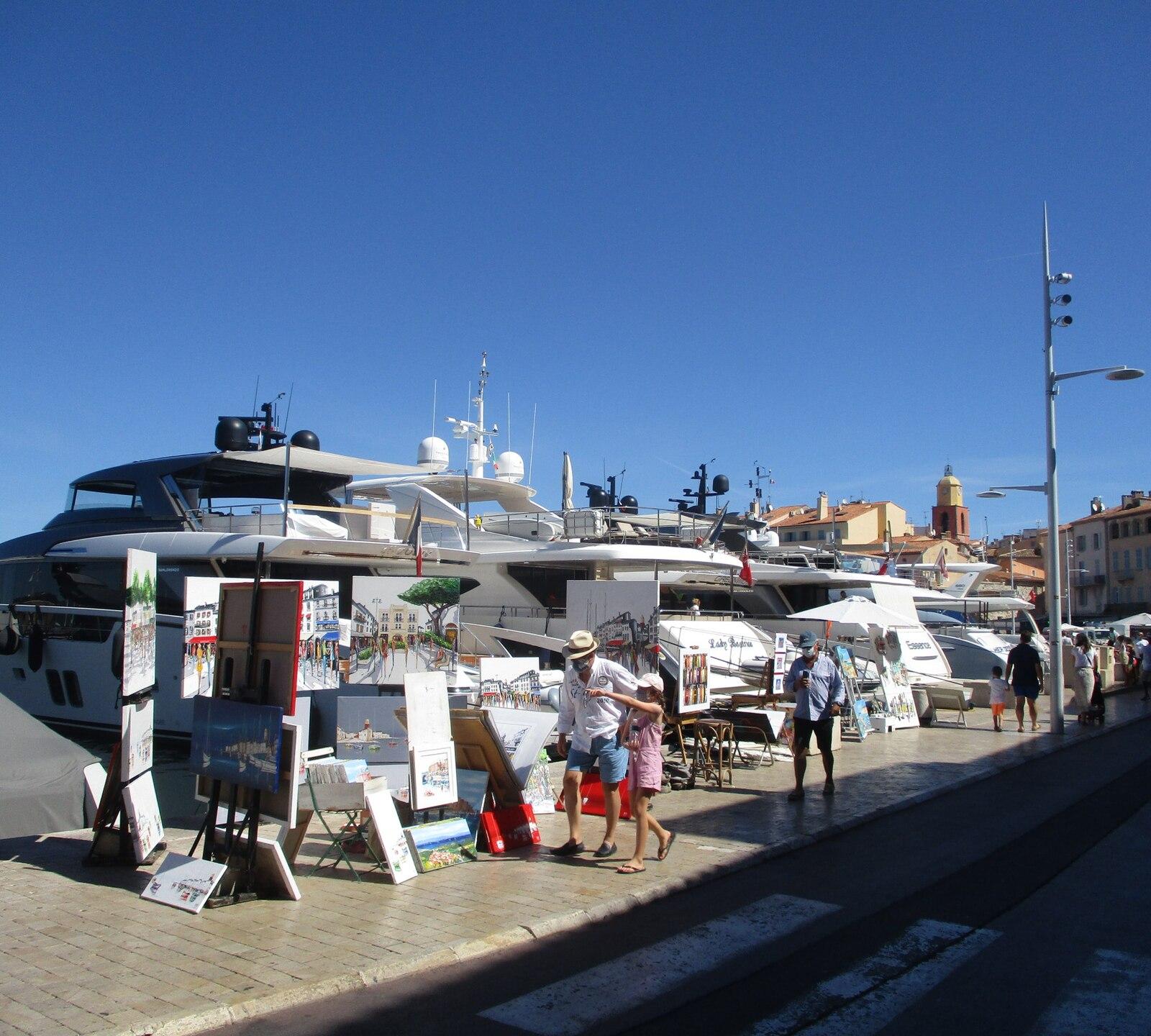
The morning light hits the Vieux Port at roughly 6:15 a.m. in early July. Fishing boats are still moored. The café terraces on the Place des Lices haven't filled yet. For the growing number of residents and visitors weaving through Saint-Tropez on foot before the tourist crowds arrive, those first hours are no longer just exercise, they're a deliberate practice.
Walking meditation, long embedded in Buddhist traditions and more recently adopted by secular wellness programmes worldwide, is gaining visible traction here. The town's geography, compact lanes, cliff-edged paths, a 35-kilometre coastal trail that loops from the Plage de Pampelonne north toward Cavalaire, makes it unusually well suited to slow, intentional movement. The question is knowing how to do it.
Why the Walk Itself Is the Practice
The core principle is deceptively simple: attention to the body in motion rather than to a destination. Practitioners focus on the physical sensation of each footfall, the shift of weight from heel to toe, the rhythm of breathing, and peripheral sensory input, salt air, the scrape of gravel underfoot on the Chemin des Douaniers, the specific quality of shade under the cork oaks on the Route des Plages.
This differs from ordinary walking precisely because the goal is removed. You are not heading to the market. You are not burning calories. The walk is the point. Clinical research has consistently supported this framing: a 2018 review published in the journal Mindfulness found that walking meditation showed measurable benefits for reducing anxiety and improving mood, with results comparable to seated meditation for participants with no prior practice. The review drew on data from multiple controlled trials conducted between 2010 and 2017.
Interest in evidence-based mindfulness has accelerated globally since around 2020, partly in response to post-pandemic mental health pressures. In France, the national health authority Haute Autorité de Santé has increasingly referenced mindfulness-based approaches in its non-pharmacological guidance for stress and mild anxiety, though it stops short of formal prescription recommendations.
Closer to home, the wellness infrastructure around Saint-Tropez has matured considerably. The Institut Osmosis, based near the Place de la Garonne, runs structured mindfulness programmes that incorporate outdoor movement alongside indoor seated sessions. Rates for a five-day programme begin at approximately €380 per person, based on published 2026 pricing. The Domaine de la Croix wellness centre, located between Croix-Valmer and Saint-Tropez, offers guided coastal walks explicitly framed as moving meditation, sessions run most mornings between May and October, weather permitting.
A Practical Approach for the Paths You Already Walk
No booking is required to begin. The Sentier du Littoral, which traces the peninsula's rocky southern edge from the Phare de Saint-Tropez toward Cap Camarat, is one of the better-suited routes in the region. The path is uneven enough to demand physical attention, which is the point, and long enough, at roughly 12 kilometres for the full southern section, to allow the mind to settle.
Practitioners generally recommend starting with just 15 to 20 minutes. Choose a pace slower than your usual walking speed. Fix attention on the contact between feet and ground. When the mind wanders, to a meeting, a message, the smell of a boulangerie on the Rue Allard, acknowledge it without judgment and return attention to the body. That return is the practice. It is not a failure; it is the repetition that builds the skill.
Experienced practitioners often begin with eyes downcast at roughly a 45-degree angle, reducing visual distraction without removing environmental awareness entirely. On the Chemin des Douaniers particularly, this also helps with the uneven limestone sections near Ramatuelle.
The body of evidence for walking meditation continues to grow, and the barriers to entry here are genuinely low. The Var coast in July offers heat, light and sensory richness that seated practice in a studio cannot replicate. Consult a local medical professional if you're managing a specific health condition before adopting any structured mindfulness programme, but for most people, the path is already there. The practice begins the moment you decide the walk is enough.