wellness
Saint-Tropez Residents Transform Sleep With These Five Environment Changes
From blackout blinds to bedroom temperature, here is what Saint-Tropez residents need to audit before they close their eyes tonight.
How we reported this
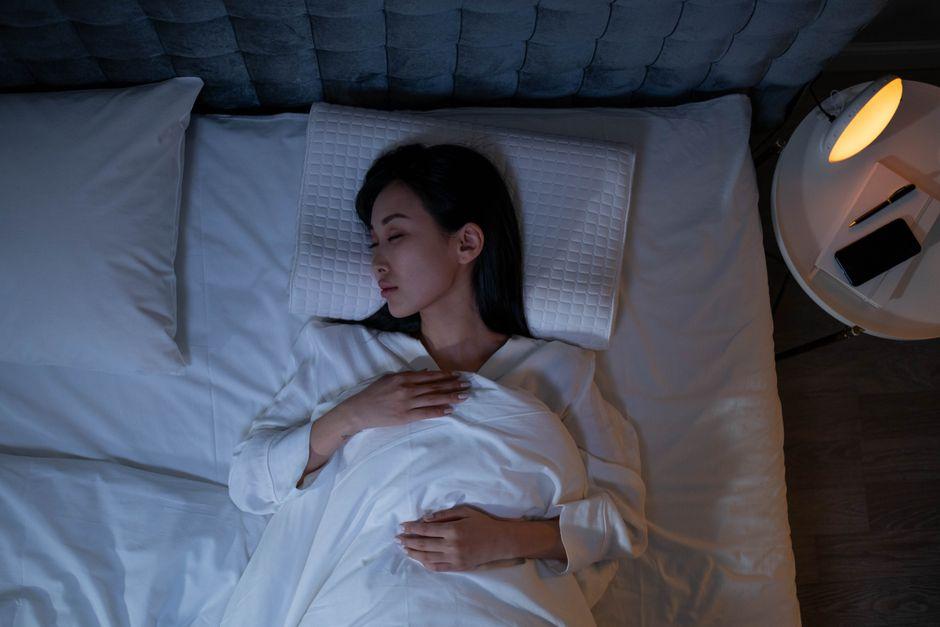
Sleeping well in July in Saint-Tropez is a harder task than it sounds. Temperatures in the Var department regularly breach 30°C overnight during the first week of the month, boats on the Vieux Port rev their engines past midnight, and the village's high season social calendar does not wind down until well after 2 a.m. A growing body of sleep research now confirms what exhausted locals already suspect: the bedroom environment, not willpower, determines the quality of your rest.
Hormonal health has dominated wellness conversations this summer, discussions around melatonin, HRT and testosterone have moved from specialist clinics onto café terraces along the Quai Jean Jaurès. That broader interest in the body's internal chemistry makes the sleep question especially timely. Melatonin secretion is directly suppressed by light exposure above 10 lux, a threshold most Saint-Tropez bedrooms exceeded at 5 a.m. back in June when sunrise arrived at 6:02 local time. By mid-July, that first light arrives even earlier.
What the research actually says
The European Sleep Research Society published updated guidance in March 2026 recommending that bedroom air temperature be kept between 16°C and 19°C for optimal slow-wave sleep. For anyone relying on a ceiling fan in a stone mas above the Quartier de la Ponche, that target is difficult to hit without either air conditioning or very deliberate ventilation management. The guidance also flags continuous ambient noise above 40 decibels as a measurable disruptor of REM cycles, a number the Port de Saint-Tropez comfortably eclipses on nights when the superyacht generator traffic is running.
Blackout coverage matters more than most people realise. Standard linen curtains sold at the Marché Provençal on the Place des Lices block roughly 60 percent of incoming light, according to fabric specifications from regional suppliers. Purpose-made blackout roller blinds, available from home stores along the Route de Cogolin, block closer to 99 percent. The price gap is meaningful, a fitted blackout blind for a standard French double window runs between €85 and €140 installed, compared with €30 to €50 for decorative linen, but the sleep science consistently backs the investment.
Local wellness practitioners operating out of spaces including the Bien-Être centre on the Avenue du Général Leclerc and the Institut de Thalassothérapie near Les Salins beach have both incorporated sleep environment audits into their summer consultation programmes this year. The thalassotherapy centre added a dedicated sleep module to its July wellness retreats, which run Friday to Sunday at €320 per person. The module covers a six-point bedroom checklist: temperature, light, noise, scent, mattress firmness, and device management.
A practical checklist before you sleep
The checklist itself is not complicated. Temperature first, aim below 19°C; a desk thermometer costs €12 at any pharmacie on the Rue Gambetta. Light second, cover every source, including standby LED dots on televisions and charging cables. Third, noise: foam earplugs reduce ambient intrusion by roughly 33 decibels and cost under €5 at the Pharmacie du Port. Fourth, scent: lavender essential oil from the Maison de la Lavande cooperative in nearby Gassin has a small but peer-reviewed effect on sleep-onset latency when diffused at low concentration for thirty minutes before bed. Fifth, your mattress: if it is more than eight years old, it is almost certainly no longer providing adequate spinal support. Sixth and finally, devices: the blue-light emission from phone screens delays melatonin production by an average of 90 minutes according to a 2024 study published in the journal Sleep Medicine Reviews.
None of this requires an expensive overhaul. Most of the checklist can be addressed over a single weekend afternoon. The Place des Lices market on Tuesday and Saturday mornings stocks blackout fabric by the metre, local beeswax earplugs from a Ramatuelle artisan, and lavender sachets at €4 each. If sleep problems persist beyond two to three weeks despite environmental adjustments, the right next step is a conversation with a médecin généraliste or a specialist at the Centre Hospitalier Intercommunal de Fréjus-Saint-Raphaël, 35 kilometres along the N98. The environment is the starting point, not the entire answer.