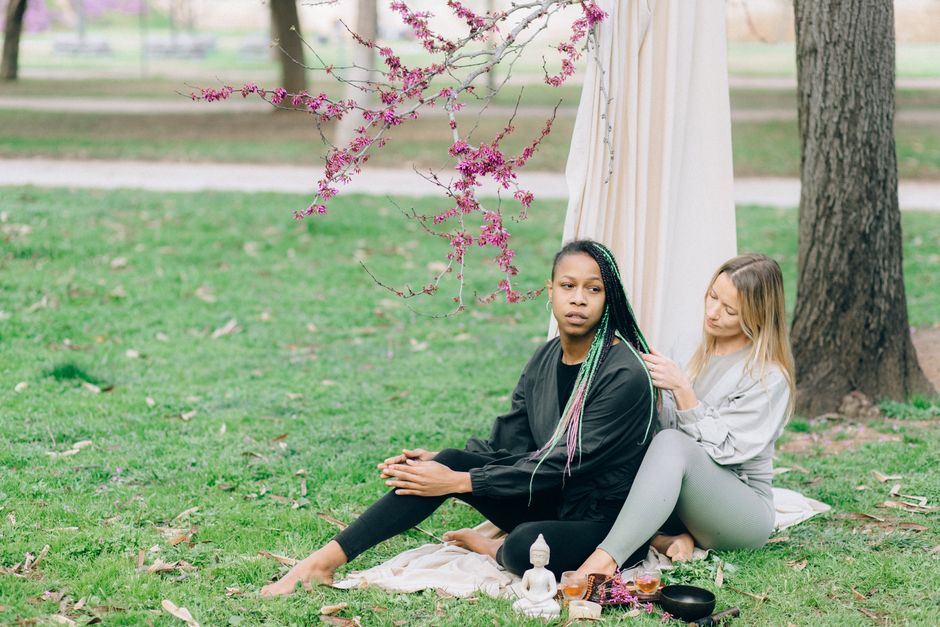
Demand for structured meditation in Saint-Tropez has jumped sharply this summer. Studio owners along the Rue Gambetta corridor report waitlists forming for July sessions — unusual for a town that historically treated yoga as its ceiling of mindful ambition. The shift is real, measurable, and worth paying attention to before the August crowds make finding a cushion harder than finding a parking spot near the Place des Lices.
The timing is not accidental. European research published earlier this year through the Institut National de la Santé et de la Recherche Médicale found that consistent mindfulness practice — defined as at least 20 minutes daily over eight weeks — reduced self-reported anxiety scores by roughly 32 percent in urban adult populations. Meanwhile, the broader conversation around hormones, stress physiology and mental load, which has been gathering serious momentum in health media across France and the UK, is pushing people who would once have rolled their eyes at meditation toward a first real attempt. In Saint-Tropez, where the summer social calendar can tip from glamorous to genuinely exhausting within a fortnight, that motivation is sharp.
Where to Show Up in Person
The most established option in town is the Centre de Bien-Être Tropézien on the Avenue du Général Leclerc, which runs guided Vipassana-style sessions on Tuesday and Thursday mornings at 7h30, before the heat makes outdoor movement impractical. A drop-in class costs €18; a four-week pass runs €60 and is considerably better value for anyone staying through the month. The instructors rotate, which keeps the approach from going stale.
For something more community-driven, the association Méditer Ensemble Saint-Tropez meets every Sunday at 9h00 in the gardens behind the Chapelle de la Miséricorde in the old town — a genuinely lovely setting, stone walls, dappled light, the occasional bell. Sessions are free, run on a donation basis, and have been operating weekly since September 2023. The group draws a mixed crowd: retired locals, seasonal workers, and a surprising number of people who arrived for the marina and stayed for the stillness. No booking required; just turn up five minutes early.
The Hôtel Pan Deï Palais on the Rue Victor Langlois quietly added a rooftop breathwork and meditation programme in June 2026, open to non-guests at €35 per session. It runs Wednesday evenings and is capped at eight participants, which makes it feel less like a class and more like a small, focused retreat. Reservations fill within 48 hours of each week's slots going live, so check their site on Monday mornings.
Apps Worth Opening Before You Leave the Apartment
Two apps are getting genuine traction among French-speaking users this summer. Petit Bambou, developed in Paris and now claiming over five million registered users across France, remains the most locally intuitive option — its interface is entirely in French, its guided programmes are structured in digestible ten-minute blocks, and a full subscription costs €59.99 per year. For residents who want something to complement an in-person practice rather than replace it, the short "anchor" sessions in its library are particularly practical between appointments.
Calm, better known internationally, launched a French-language content expansion in March 2026 that has meaningfully improved its usefulness for non-English speakers. Its annual subscription is €69.99. The sleep meditations, rebranded for the French market as "Histoires pour Dormir," have become the app's most-shared content locally — relevant given that disrupted sleep is one of the most common complaints among Saint-Tropez residents navigating high-season schedules.
A practical note before committing to anything: the in-person landscape in Saint-Tropez shifts between seasons. Several studios that operate year-round scale back significantly in September. If you are arriving mid-July, book the Centre de Bien-Être's August sessions now — they told The Daily Saint-Tropez this week they expect full cohorts within ten days. And as always, if you are dealing with chronic stress, sleep disorders or anything that feels clinical rather than situational, the conversation belongs with a local médecin généraliste before it belongs on a cushion.