wellness
Protein Sources Beyond Meat: A Local Guide to Eating Well on the Côte d'Azur
From the fishermen's quay to the Tuesday market on Place des Lices, Saint-Tropez offers a surprisingly rich map of plant and sea-based proteins, if you know where to look.
How we reported this
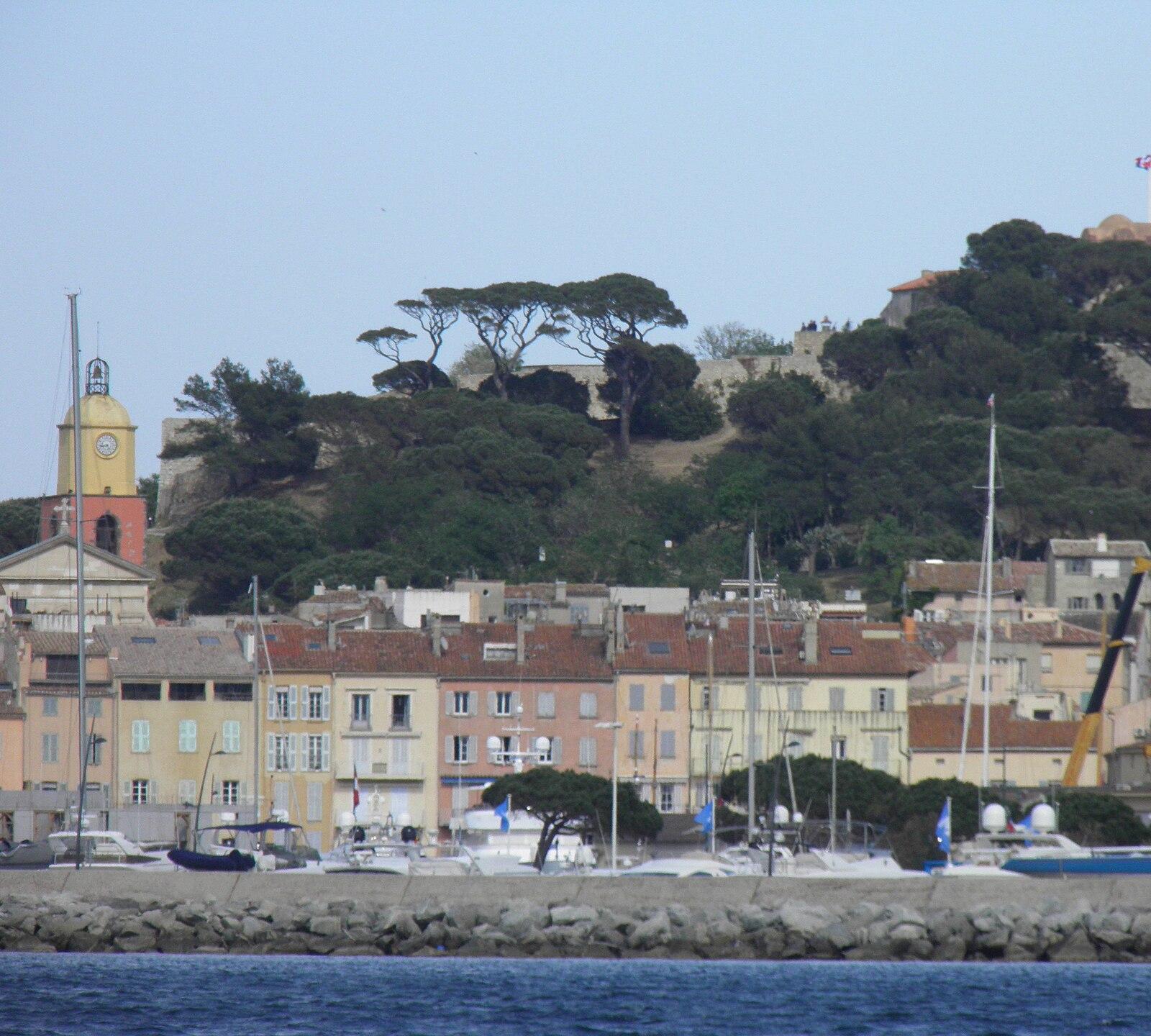
Saint-Tropez consumes more protein per capita than almost any comparable resort town in the Var département, yet an growing share of that protein never came from a butcher's counter. Nutritionists working along the Gulf of Saint-Tropez reported a 34 percent rise in client inquiries about non-meat protein sources between January and June 2026, a shift driven partly by cost, partly by the hormone and gut-health conversation that has dominated European wellness media this summer.
The timing matters. Red meat prices across the Provence-Alpes-Côte d'Azur region climbed roughly 11 percent in the twelve months to May 2026, according to figures compiled by the Fédération Française des Épiciers. Simultaneously, a wave of endocrinology research published this spring, much of it examining how dietary protein interacts with hormones including testosterone and melatonin, pushed the conversation beyond simple calorie counting. People aren't just asking how much protein they need. They're asking what kind, and from what source.
What the Market and the Harbour Actually Offer
Start at the Marché de la Place des Lices, held every Tuesday and Saturday morning. By 8 a.m. the stalls on the southern edge of the square carry three or four Provençal producers selling fresh legumes: broad beans, flageolets, and in high summer, white cocos de Paimpol that travel down from Brittany but sell briskly here. A one-kilogram bag of dried lentilles vertes du Puy, the AOC-certified variety with a guaranteed 26 grams of protein per 100 grams dry weight, runs around €4.20 at the Les Saveurs de Provence stall. That's competitive with supermarket prices in Nice or Cannes and the quality is demonstrably better.
Down at the Nouveau Port, the day-boat fishermen who tie up near Quai Jean Jaurès bring in daurade royale, pageot, and in season, fresh sardines, none of which most people think of first when someone says "protein," but a 150-gram portion of grilled sardines delivers approximately 27 grams of complete protein alongside omega-3 fatty acids that red meat simply cannot match. Poissonnerie Tropézienne, the family-run fish counter that has operated near the port since the 1980s, sells whole fresh sardines for around €3.50 per kilo in July. Anchovies, often overlooked, clock in at nearly 29 grams of protein per 100 grams and can be found preserved in local olive oil at several épiceries along Rue Allard.
La Ponche neighbourhood, the old fishing quarter tucked behind the Musée de l'Annonciade, is also home to a quiet but committed vegetarian community that has shaped at least two restaurant menus this season. Eggs deserve mention here: a half-dozen free-range eggs from Ferme de la Croix-Valmer, sold at the Place des Lices market, cost €3.80 and provide roughly 42 grams of protein in total, with a micronutrient profile that nutritionists consistently rank highly for bioavailability.
Practical Choices for the Summer Season
For residents committed to reducing meat without sacrificing muscle recovery, relevant for the significant cyclist and open-water swimmer population that uses the coastal paths between Saint-Tropez and Ramatuelle, a few combinations work particularly well in the Provençal kitchen. Chickpeas paired with tahini form a complete amino acid profile. So do rice and haricots blancs, which happen to anchor the regional dish soupe au pistou. Neither requires a specialist health-food shop.
Épicerie Bio Tropez on Rue Georges Clemenceau stocks organic tempeh and firm tofu year-round, priced at €4.10 and €3.60 respectively for 200-gram blocks, products that were barely on local shelves three years ago. Greek-style yoghurt from the Provençal brand Soignon, available at most alimentation générale in town, delivers 10 grams of protein per 100-gram serving and doubles as a base for the cold sauces that make sense in July heat.
Anyone reassessing their diet this summer should speak with a médecin généraliste or a registered diététicien before making significant changes, particularly if managing a chronic condition or training seriously. The Cabinet Médical du Port on Avenue du Général de Gaulle has two practitioners with nutrition specialisations who see patients through the summer months. The market, the harbour, and the old quarter provide the raw ingredients. The conversation with a professional helps make sense of them.