wellness
Protein Sources Beyond Meat: A Local Guide to Eating Well in Saint-Tropez
From the market stalls of Place des Lices to the fishing quays of the Vieux-Port, the Côte d'Azur offers a surprisingly rich toolkit for anyone rethinking how they fuel themselves.
How we reported this
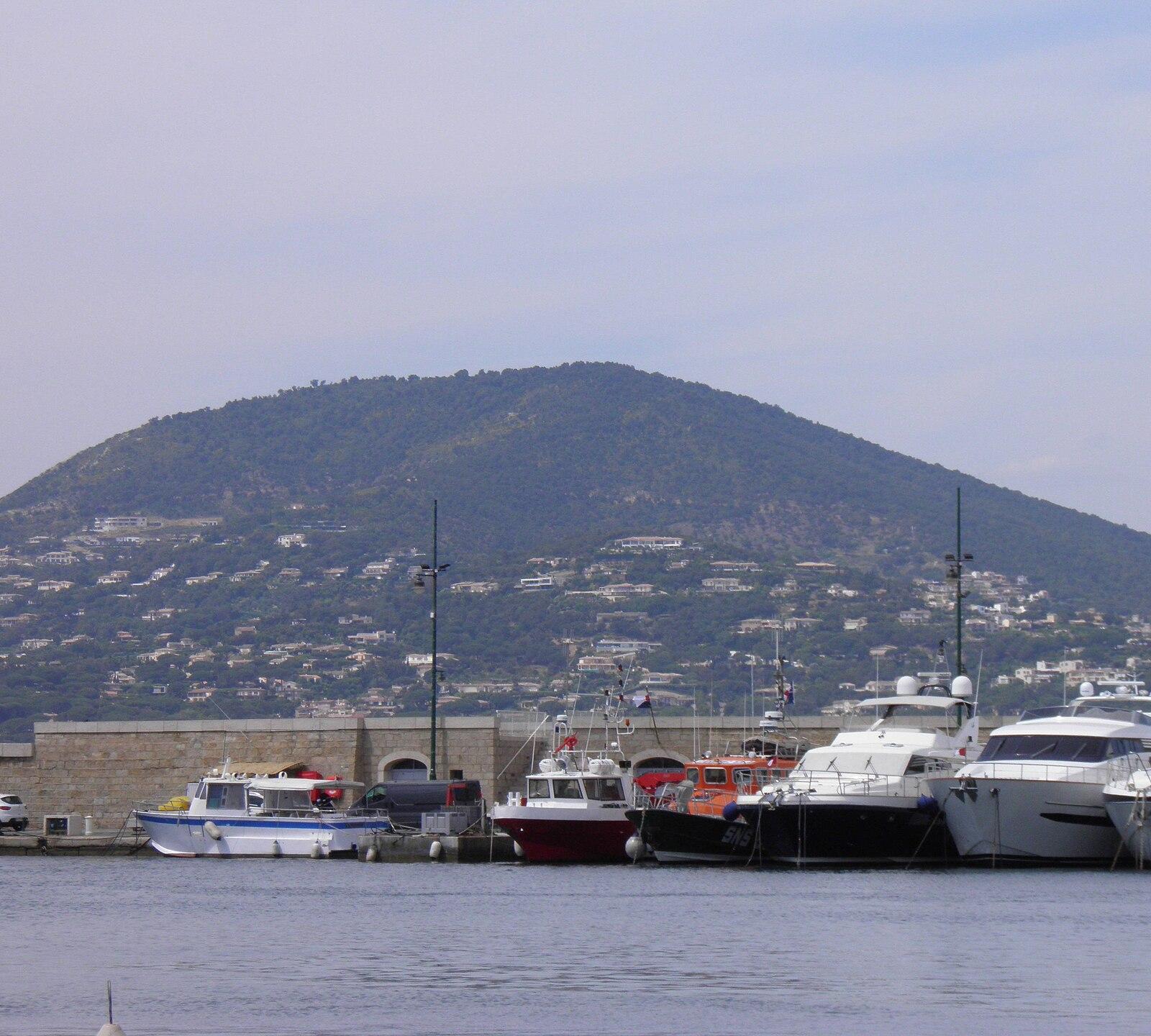
Saint-Tropez has long had a reputation built on rosé and grilled fish. But a quieter shift is happening at the table. Across the town's restaurants, market vendors and health-focused grocers, demand for plant-based and non-meat protein sources has climbed sharply, and local suppliers are adjusting their offer to match it.
The timing reflects something broader. Across southern Europe, nutritionists have spent the past year pushing back against the idea that adequate protein requires a daily steak or chicken breast. The Mediterranean diet, always celebrated for its cardiovascular benefits, is being reframed as a naturally high-protein template, provided you know where to look. With France's national health agency, Santé Publique France, recommending adults consume between 0.83 and 1.2 grams of protein per kilogram of body weight daily, the practical question for locals and summer visitors alike is how to hit that target without defaulting to meat at every meal.
What the Market Actually Offers
Place des Lices, the town's main market square, runs its full twice-weekly market on Tuesdays and Saturdays. In July, the stalls are loaded. Local legume producers from the Var hinterland, the villages around Grimaud and Cogolin are well represented, bring dried chickpeas, lentilles vertes and haricots blancs that outperform most supermarket alternatives on freshness and flavour. A 500-gram bag of dried Var lentils typically runs €3.50 to €4.50; cooked, that quantity yields roughly 35 grams of protein. Pair them with a drizzle of local olive oil and a handful of market herbs and you have a complete, affordable lunch.
Eggs remain an underrated workhorse. The fromagerie and épicerie fine La Tarte Tropézienne on Rue Clemenceau stocks eggs from free-range farms within 80 kilometres of the town, and at six for around €4.20 they represent one of the most cost-efficient protein sources available locally. Two large eggs deliver approximately 12 grams of protein. Across the Vieux-Port, several of the casual lunch spots have started offering soft-boiled egg additions to their salade niçoise variants, a small but telling sign of where appetites are heading.
Dairy deserves more attention than it usually gets in this context. The local cheesemakers supplying the Tuesday market bring brousse du Rove, a fresh ewe's or goat's milk cheese produced in the hills between Marseille and the Var coast, that contains close to 10 grams of protein per 100-gram serving. It is mild, versatile and pairs well with the region's stone fruits now coming into peak season.
Fish, Algae and What Comes Next
The Vieux-Port fish market, operating most mornings from around 8am through mid-morning, offers species that tend to be overlooked in favour of the obvious daurade or loup de mer. Sardines and anchovies, both landed regularly by local fishers operating out of the Gulf of Saint-Tropez, pack 20 to 25 grams of protein per 100-gram portion and cost a fraction of the premium white fish. The anchovy, in particular, is having a moment across French culinary culture, and several of the bistros along Quai Jean Jaurès have expanded their anchovy preparations beyond the traditional tapenade base.
Further along the innovation curve, a handful of restaurants in the Port Grimaud marina area, a ten-minute drive east, have begun integrating spirulina and seaweed products into their menus. Spirulina, the blue-green algae now cultivated commercially in Provence, offers up to 57 grams of protein per 100 grams in dried form, the highest density of any common food source. It is available in powder form at the Bio c' Bon organic grocery on Avenue du Général Leclerc in Saint-Tropez, typically priced around €18 to €22 for a 200-gram jar.
For anyone spending the summer here and wanting to restructure their eating habits, the practical advice is simple: build your shopping around the Tuesday and Saturday markets first, use the Vieux-Port fish stalls for affordable sardines and anchovies, and supplement with legumes and fresh dairy. A registered dietitian at the nearest practice in Sainte-Maxime, 15 kilometres along the coast road, can offer personalised guidance calibrated to your specific needs, the general principles are well established, but individual requirements vary considerably.