High season hit Saint-Tropez this week with its usual force. The Place des Lices market was overrun by nine in the morning. Parking on the Route des Salins had become an Olympic sport. And along the Quai Jean Jaurès, restaurant staff were fielding the same question — table for eight, tonight, outside — approximately every four minutes. Stress, it turns out, does not take a summer holiday.
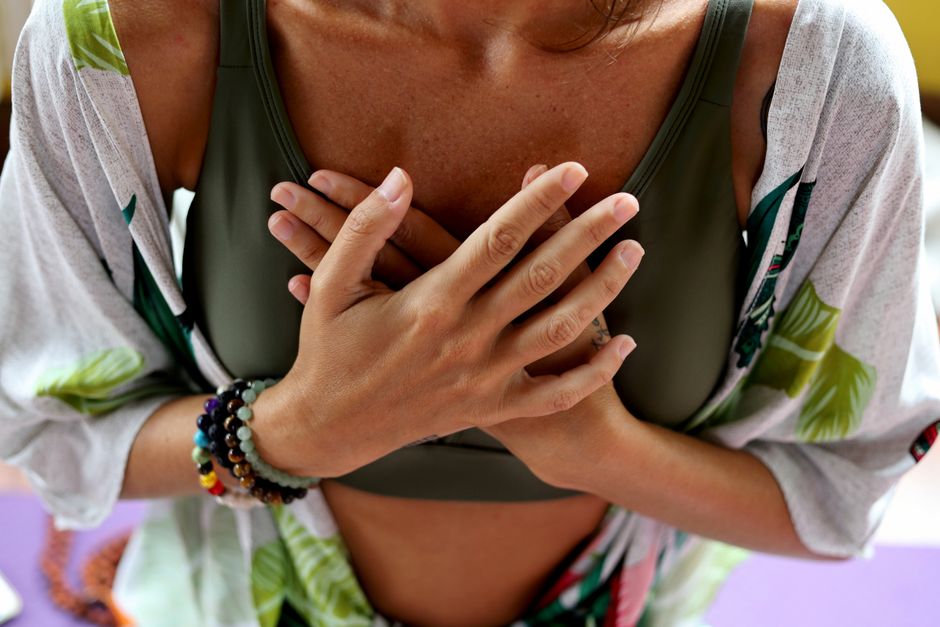
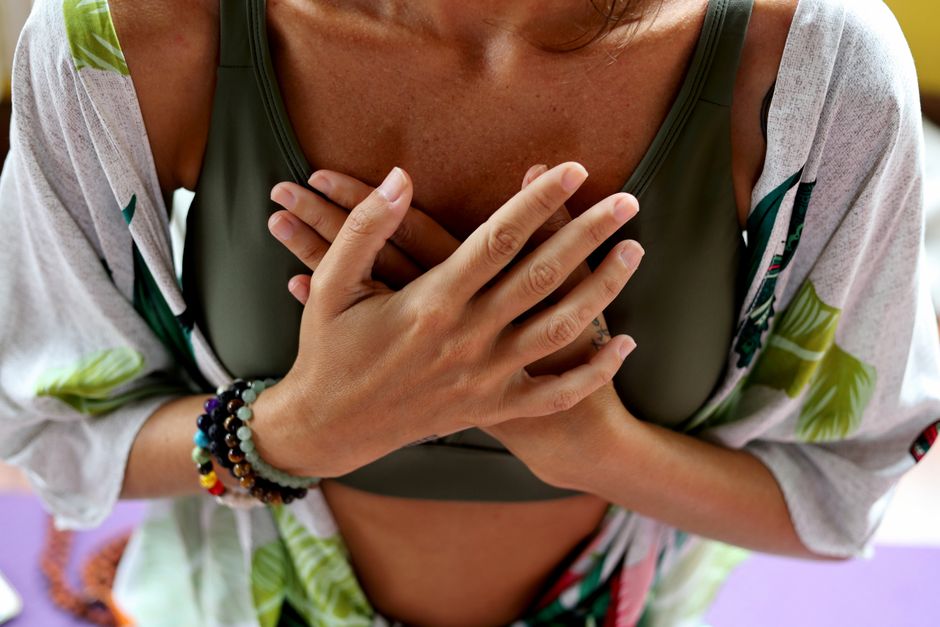
Which is exactly why breathwork is having a serious moment here. Not the vague, incense-and-Himalayan-salt variety. Structured, evidence-backed breathing techniques — cyclic sighing, box breathing, the physiological sigh popularised by Stanford neuroscientist Andrew Huberman — are being folded into the daily routines of everyone from Pampelonne beach concierge staff to boutique owners on the Rue Gambetta. The pitch is simple: you can do this in a toilet cubicle, a wine cellar, or between two tables during a lunch rush.
What the Research Actually Says
A 2023 study published in Cell Reports Medicine — one of the more rigorous trials on the subject — compared four different daily breathing practices over a month and found that cyclic sighing, where you inhale fully, take a short second inhale through the nose to maximally inflate the lungs, then exhale slowly through the mouth, produced the greatest reduction in self-reported anxiety and the most consistent improvement in resting heart rate. Participants who practised for just five minutes a day showed measurable physiological change within two weeks. Five minutes. That number has become something of a calling card for practitioners trying to get sceptical clients off the fence.
Box breathing — four counts in, four counts hold, four counts out, four counts hold — has been standard-issue in military stress management since the U.S. Navy SEALs began formalising it in training programmes in the early 2000s. Its appeal for civilians is the structure: when your thoughts are chaotic, a rigid four-count gives the mind something mechanical to grip.
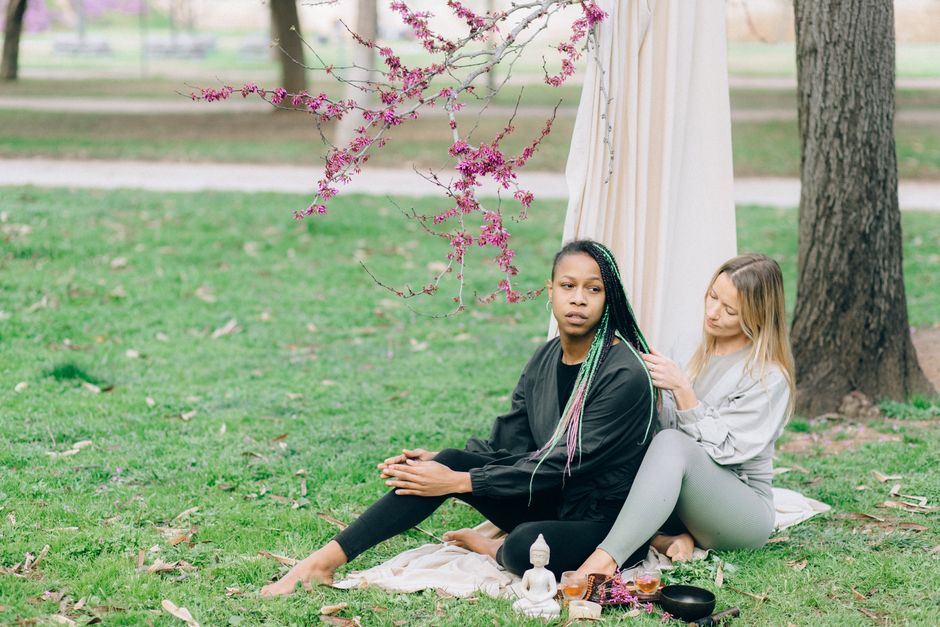
Locally, two organisations have moved decisively into this space. L'Atelier du Souffle, a breathwork studio that opened on the Rue de la Ponche in April 2025, runs 45-minute group sessions at €35 per person, five mornings a week. Their July and August timetable now includes a 7 a.m. express format — 20 minutes, no booking required — designed specifically for hospitality workers before their shifts. Meanwhile, the Centre de Bien-Être Tropézien on the Avenue Foch has integrated breath-focused protocols into its existing massage and recovery packages, citing strong demand from clients citing work burnout as the reason for their visit, not physical injury.
How to Use It Right Now
The practical architecture of breathwork is what separates it from other wellness trends that require gear, memberships or significant lifestyle restructuring. The physiological sigh can be done standing up. Box breathing works at a desk. And the 4-7-8 technique — inhale for four counts, hold for seven, exhale for eight — is particularly effective immediately before a high-stakes interaction: a difficult conversation with a supplier, a reservation crisis, a meeting running off the rails.
The key mechanism, which clinicians consistently emphasise, is the extended exhale. Breathing out for longer than you breathe in activates the parasympathetic nervous system — the brake pedal on the body's fight-or-flight response. Heart rate drops. Cortisol production slows. The cognitive clarity that stress temporarily strips away starts to return. This is not metaphor. It is basic autonomic physiology, and it works whether you are on a terrace in Saint-Tropez or stuck on the périphérique in Paris.
For anyone wanting to build a more structured practice beyond the standalone techniques, L'Atelier du Souffle is offering a four-session introductory package through September at €110 — roughly €27.50 a session — with an emphasis on identifying which technique maps best to an individual's specific stress signature. The Centre de Bien-Être Tropézien takes walk-in consultations Tuesday through Saturday.
As always, anyone with cardiovascular conditions, respiratory issues, or a history of panic disorder should speak with a médecin généraliste before beginning any intensive breathwork regimen. For most people, though, the entry point is far lower than that: pick one technique, set a timer for five minutes, and do it before the next difficult thing on the calendar. The science, at least, is not in dispute.
This article was compiled by AI and screened before publishing. See our editorial standards.