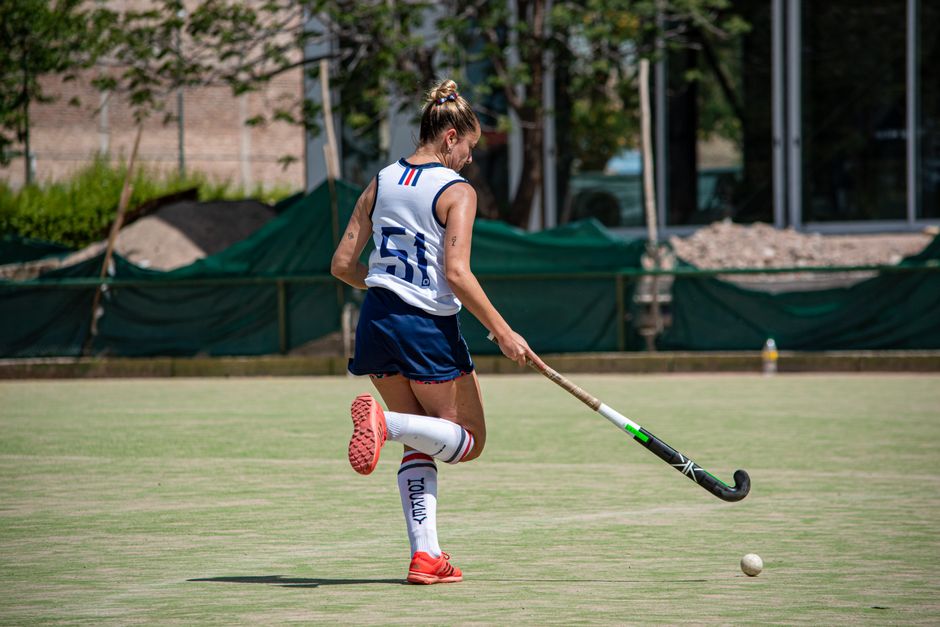
Enrollment figures released this week by the Saint-Tropez municipal sports office tell a story the resort town rarely gets credit for: grassroots sport participation has climbed 34 percent over the past three years, with more than 2,800 residents now registered across community clubs — a number that excludes the seasonal visitors who swell the population every July.
The timing matters. With Europe gripped by a punishing heatwave that killed more than 2,000 people across France at its peak last month, public health officials in the Var département have been pushing outdoor, structured activity harder than at any point in recent memory. The argument is straightforward — organised sport builds social resilience, gets people moving in the cooler morning hours and gives young residents in particular a reason to gather somewhere other than the port-side bars on the Quai Jean-Jaurès.
Clubs Rooted in the Neighbourhoods
Two organisations sit at the centre of this quiet expansion. The Association Sportive Tropézienne, based at the Stade Municipal on the Route de Tahiti, runs eight disciplines from pétanque to five-a-side football and has been operating continuously since 1962. This summer it launched a Saturday morning programme called Cap Sport for children aged six to twelve, deliberately scheduled at 8 a.m. to avoid the worst of the heat. Sessions cost €4 per child — subsidised by a joint agreement with the Communauté de Communes du Golfe de Saint-Tropez signed in March 2026.
Meanwhile, the Club Nautique de Saint-Tropez, operating from its premises near the Môle Jean-Réveille, has expanded its introductory sailing and kayak programme beyond the usual summer school crowd. For the first time this season it is running a Wednesday evening slot aimed specifically at local adult residents — people who have lived within sight of the bay their entire lives but have never put a hand on a tiller. The club had 140 adults register for those sessions before June ended. Organisers expected 60.
Up past the Citadelle, in the quieter residential quarter of La Ponche, a newer initiative called Tropez Trails has been mapping and maintaining a network of running routes through the Massif des Maures foothills since early 2025. The group operates on a zero-membership-fee model, funded partly through a €12,000 grant from the regional Provence-Alpes-Côte d'Azur sport development fund and partly through kit sponsorship from a local outfitter on the Rue Gambetta. Roughly 380 runners used the mapped trails last month, according to the group's own QR-code check-in data.
What the Numbers Reveal
Across France, national data from the Ministère des Sports shows that towns with populations under 10,000 — Saint-Tropez's permanent resident count sits around 5,500 — often punch well above their weight in per-capita sport club membership when municipal investment clears a threshold of €180 per resident annually. Saint-Tropez crossed that threshold in its 2025 budget for the first time, allocating €210 per resident to sport and recreation. The effect appears to be real and measurable.
The pressure on those budgets is also real. Commercial rents along the seafront mean that indoor training space within the historic centre is scarce and expensive. The Salle Polyvalente on the Avenue du Général de Gaulle, used by the town's volleyball and judo clubs, charges community groups €22 per hour — a rate that smaller clubs say leaves them fundraising constantly to cover basic court time through autumn and winter when tourist income dries up.
For anyone looking to get involved before the summer season peaks, the municipal sports office on the Place des Lices is running a single registration day on Saturday 11 July, where residents can sign up for more than twenty clubs under one roof. Entry is free, and most clubs are waiving their September joining fees for anyone who registers on the day. The Association Sportive Tropézienne alone expects to take on at least fifty new members. The Quai will still be there for the yachts and the spectacle. The real Saint-Tropez sporting story is being written a kilometre inland, at 8 a.m., in a stade that tourists rarely find on any map.